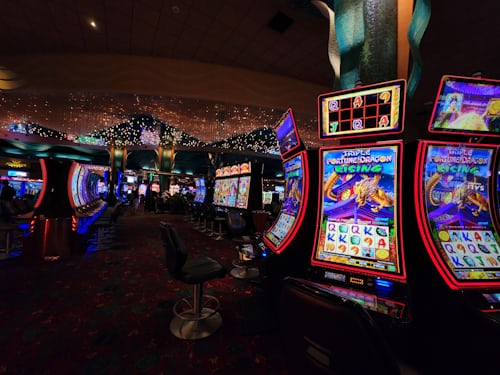
Exploring the cultural impact of casinos on modern society
The Historical Context of Casinos
Casinos have evolved significantly since their inception, transitioning from small gambling houses to massive entertainment complexes. Their historical roots can be traced back to ancient civilizations where games of chance were played in social settings. These early forms of gambling laid the groundwork for what would later become a global industry, contributing to cultural practices and social gatherings. As players seek modern options, they might explore sites that offer a range of experiences, such as casino not on gamstop, which cater to diverse preferences.

As societies progressed, casinos became emblematic of leisure and luxury, symbolizing not just a place for gambling but also a space for socialization. The growth of Las Vegas as a premier destination in the mid-20th century further propelled the cultural significance of casinos, marking a shift towards a lifestyle centered around entertainment, nightlife, and even celebrity culture.
Casinos as Social Hubs
Today, casinos serve as vibrant social hubs, attracting diverse crowds from different backgrounds and cultures. They are not merely venues for gambling; they host a variety of entertainment options including concerts, fine dining, and nightlife experiences. This multifaceted approach creates a sense of community among visitors, fostering connections that transcend geographical boundaries.
The atmosphere within casinos often sparks conversations and interactions, leading to friendships and shared experiences. Additionally, events such as poker tournaments and themed nights bring people together, emphasizing the social aspect of gambling and enhancing the cultural fabric of the local community.
The Economic Influence of Casinos
Casinos play a significant role in the economy, generating substantial revenue for local and national governments. They create jobs, from direct employment within the casino to ancillary positions in hospitality and tourism. This economic impact can lead to improved infrastructure and community services, benefiting society as a whole.
Furthermore, the influx of tourism driven by casinos often results in a boost to local businesses. Restaurants, hotels, and attractions in proximity to casinos experience increased foot traffic, leading to a mutually beneficial relationship between casinos and the surrounding economy.
The Ethical Considerations of Gambling
While casinos contribute positively to society, they also raise ethical concerns, particularly regarding gambling addiction and social inequality. The thrill of gaming can lead to detrimental habits for some individuals, resulting in financial difficulties and strained relationships. This aspect of casino culture necessitates responsible gambling initiatives and support systems to mitigate potential harm.
Moreover, the socioeconomic implications of gambling often highlight disparities in access and opportunities. Vulnerable populations may find themselves disproportionately affected, prompting discussions about the moral responsibilities of the casino industry in promoting fair practices and providing resources for those in need.

Exploring the Landscape of Online Casinos
The digital revolution has transformed the gambling landscape, giving rise to online casinos that cater to a global audience. These platforms offer unprecedented access to gaming, allowing players to enjoy their favorite casino games from the comfort of their homes. The rise of non-GamStop casinos reflects a desire for fewer restrictions and more flexible gaming experiences, further enhancing the cultural relevance of casinos in the modern age.
As online casinos continue to evolve, they adapt to the preferences and demands of players, offering innovative features and a wider array of games. This shift not only changes how people engage with gambling but also influences societal perceptions of casinos, making them more accessible and integrated into everyday life.